
By Emanuel Maxim
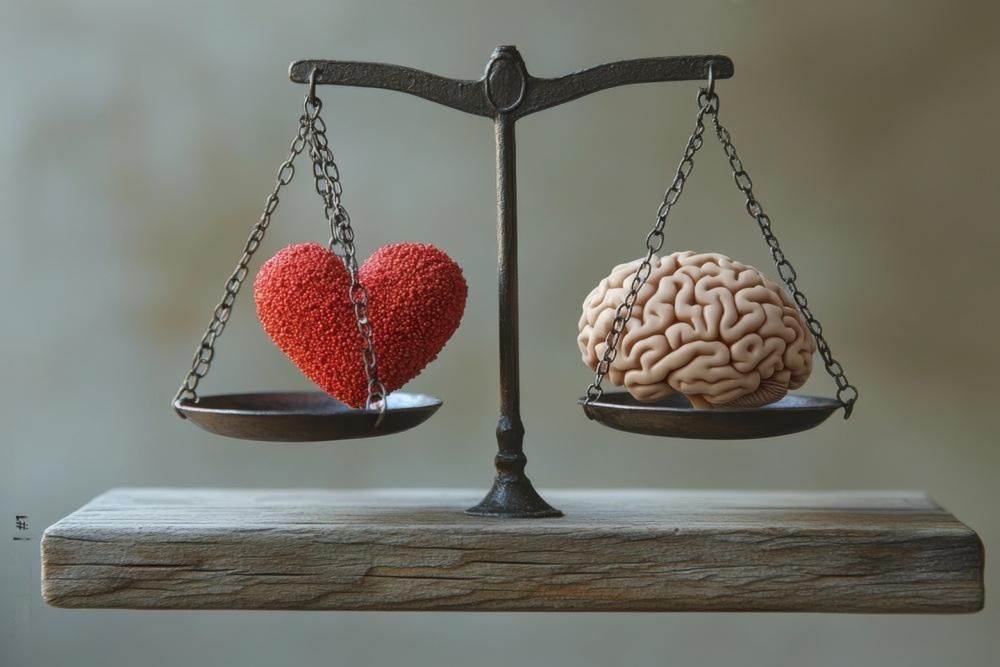
When I started thinking about becoming a counsellor, I carried with me the memory of my own therapist’s words: health isn’t about being perfect, it’s about being balanced. She didn’t mean balance as in making every part of our life equal all the time. Instead, she talked about something deeper: a kind of inner balance, a gentle “grey” space between black-and-white thinking.
That advice changed me. It helped me understand that real wellbeing doesn’t come from flawless performance or ticking every box perfectly. Rather, it comes from learning to live fully, with all the ups and downs, in a way where each part of life supports the others.
What Research Says: Balance + Integration = Wellbeing
Psychologists and mental-health researchers often describe balance, across thoughts, feelings, body, relationships, daily routines, as a foundation of wellbeing.
For example:
- A healthy lifestyle that links physical health (sleep, nutrition, movement) with mental health supports a person’s overall wellness.
- Emotional balance, meaning the ability to notice and accept both positive and negative emotions, helps in managing stress, coping with challenges, and sustaining healthy relationships.
Meanwhile, striving for “perfection” can be harmful. When perfectionism becomes rigid – setting unrealistic standards, fearing mistakes or failure, constantly criticising oneself – it often leads to anxiety, depression, burnout, and poor self-esteem.
On the other hand, adopting self-compassion – treating yourself kindly when things go wrong, accepting that mistakes are part of being human – is linked to better emotional resilience and wellbeing.
So, the research supports what I learned from my counsellor: a balanced, integrated life, not a “perfect” one, offers a more sustainable path to health, growth, and meaning.
What “Equilibrium Life” Looks Like
Living in “equilibrium” means giving yourself permission to be human. It’s not about doing everything equally every day, but about paying attention over time to different areas that together shape a healthy life:
- Your body: sleep enough, eat nourishing food, move your body, rest.
- Your mind and emotions: allow yourself to feel joy, sadness, fear, and to express or sit with those feelings.
- Your relationships: connecting with people, allowing empathy, support, caring, honesty.
- Your purpose or work: doing what matters to you, but not letting that become the only thing that defines you.
- Your inner sense of self: being kind to yourself, accepting your strengths and limitations, letting go of impossible standards.
Some days, one area might need more attention, maybe you rest more one week, spend more time with loved ones another week, or focus on work when needed. That’s okay. Equilibrium is flexible. It’s about tuning in to what life needs now, not about being perfect all the time.
Why “Grey” and not “Black and White” feels right?
If you aim for perfection, you end up living between extremes: either “all good” or “all bad,” success or failure. That kind of thinking is exhausting. It leaves no space for mistakes, no room for recovery, no allowance for what it means to be human.
In contrast, living in the “grey” means accepting imperfection. It means knowing that life comes with ups and downs, and that ebb and flow are natural. It means trusting that if you’re paying attention, learning, and caring, your life can feel integrated, meaningful, and alive.
When you approach life this way, you give yourself permission to grow gently, to heal mistakes without shame, to find strength in vulnerability, and to build resilience.
What It Means for My Work as a Counsellor and Coach
As someone now working as a counsellor and coach, I believe deeply in supporting people toward this kind of equilibrium. I don’t aim to help clients become “perfect”, I strive to help them become whole.
That means:
- Helping people see all parts of their life – emotional, physical, relational – and how they influence each other.
- Supporting the development of self-compassion and self-acceptance, so they don’t burn out chasing impossible standards.
- Encouraging flexibility and kindness toward themselves in times of challenge, knowing that sometimes progress is slow, sometimes life feels messy, and that’s okay.
- Guiding toward balance over time, not a rigid, one-size-fits-all schedule.
Because true health, what I call “equilibrium”, it’s not a journey or a destination, but rather a becoming along the way, maybe even a way of living that honours our full humanity.

A Personal Invitation
If you’ve ever felt tired from trying to do everything “right,” from chasing perfection, from feeling like you’re failing if things aren’t neat and predictable, I want you to know – you’re not alone.
You don’t have to be perfect to be worthy of care, growth, love or healing. You deserve a life where you feel balanced, alive, authentic.
If you ever feel ready to explore what “equilibrium” might look like for you, to find more gentleness, more balance, more integration, you’re welcome.
Together, we can work toward a life that’s real, whole, and kind.